
Canadian credit scores don’t just appear out of nowhere—they’re shaped by habits you control every day. Knowing how the credit score range 300-900 Canada works gives you the power to qualify for better rates on credit cards, cars, and mortgages. This guide breaks down what lenders really look at and shares simple, practical habits to improve your Canadian credit score, so you can build the financial freedom you deserve.
Understanding Canadian Credit Scores

Diving into the world of credit scores can feel like unraveling a mystery. Let’s break it down.
Credit Score Range Explained
In Canada, your score ranges from 300 to 900. The higher your score, the better. A score above 760 is excellent, which opens doors to the best rates and offers. Most people fall between 650 and 725. Want to move up the scale? Aim for consistent financial habits. Starting with understanding the basics is key. Each score point can impact your financial opportunities. Knowing this range can guide you to make smart credit decisions.
Role of Equifax and TransUnion
Equifax and TransUnion are the major credit bureaus in Canada. They track your borrowing and payment activities. Each bureau may have slight differences in your score. They collect data from lenders and compile your credit report. Keeping an eye on these reports helps you catch errors early. Consistently monitoring them can help ensure your score reflects reality. Remember, a clean report is a step toward a stronger credit score.
What Lenders Really Look At
Lenders want to know if you can repay borrowed money. They focus on your payment history and debt levels. They’re interested in how you’ve handled credit in the past. Do you pay on time? Is your debt manageable? A good track record reassures lenders of your reliability. By understanding this, you can align your habits to what matters most to financial institutions.
Factors Influencing Your Score
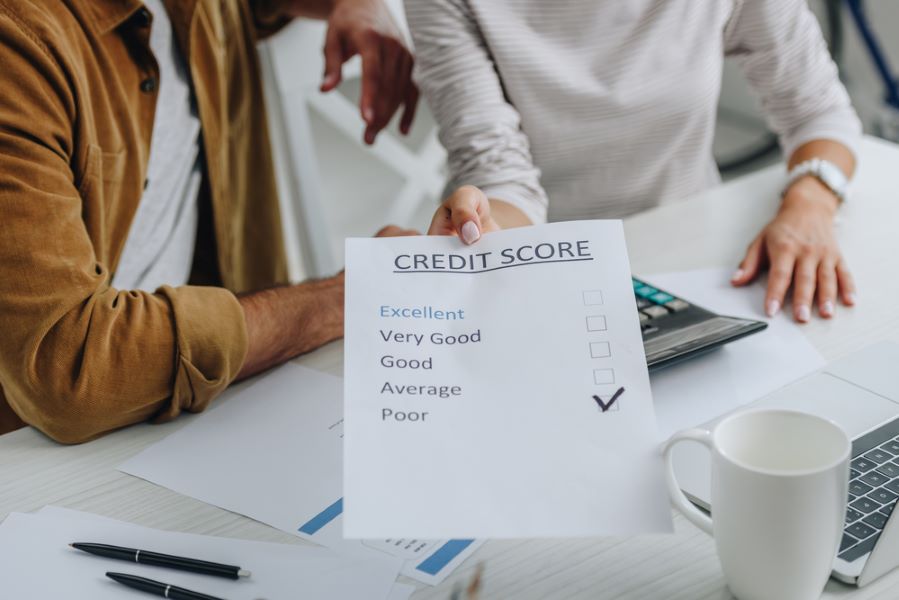
Your score is more than just a number. It’s impacted by several key factors that you can control.
Impact of Payment History
Your payment history makes up about 35% of your credit score. It’s crucial to pay bills on time, every time. Late payments can stay on your report for up to seven years. A missed bill might seem minor, but it can lower your score significantly. Make punctual payments a non-negotiable habit. This simple action will positively impact your score over time.
Importance of Credit Utilization
Credit utilization is how much credit you’re using compared to your limit. Keeping this ratio below 30% is ideal. For example, if your card limit is $1,000, try to keep your balance under $300. High utilization suggests reliance on credit, which can hurt your score. Monitor your usage and aim to pay off balances regularly. This keeps your score healthy and lenders happy.
Average Age and Credit Mix
The longer you’ve had credit, the better. Lenders like to see a mix of credit types, such as loans and credit cards. This mix makes up 15% of your score. A diverse credit profile suggests you’re experienced with different credit forms. Keep old accounts open, even if unused. This helps increase the average age of your credit portfolio.
Actionable Habits to Improve Scores

Ready to take action? Let’s explore some habits you can adopt today.
Pay On Time and Keep Utilization Low
Timely payments and low utilization are your best friends. Automate payments to ensure they’re never late. This builds trust with lenders and keeps your score robust. By keeping your utilization low, you signal responsible credit management. Make these habits part of your routine for lasting impact.
Ask for Credit Limit Increases
A higher credit limit can lower your utilization ratio. Ask your lender for an increase if you’ve been responsible with your credit. This can improve your score without additional spending. Remember, don’t use this as an excuse to incur more debt. It’s about smart credit management, not increasing your spending power.
Avoid Unnecessary Hard Inquiries
Each hard inquiry can lower your score temporarily. Plan your credit applications carefully. Frequent inquiries suggest financial instability. Instead, focus on maintaining your existing credit lines well. This approach shields your score from unnecessary dips.
Canada-Specific Credit Insights

Understanding the nuances of Canadian credit can give you an edge.
Hard Inquiry vs Soft Check Canada
A hard inquiry occurs when a lender checks your credit for a loan or credit card. It can affect your score slightly. A soft check doesn’t impact your score and occurs with personal inquiries or pre-approvals. Knowing the difference helps manage your inquiries wisely. Avoid frequent hard inquiries to keep your score steady.
How Late Payments Affect You
In Canada, late payments can haunt your credit report for years. They’re a red flag for lenders and heavily impact your score. Even a single late payment can cause significant damage. Prioritize payments as they come due. This avoids negative marks and keeps your credit history clean.
Managing Business and Personal Credit
Separating business and personal credit is crucial. Use business credit cards for business expenses. This separation protects your personal credit score. It also makes financial tracking easier. Keep personal and business finances distinct for clear, organized credit management.
Tools and Next Steps

Equipped with knowledge, you can now take action to improve your score.
Accessing Your Free Credit Report
You’re entitled to a free credit report every year. Use this to catch errors and monitor your credit health. Check reports from both Equifax and TransUnion. Discrepancies can occur, so it’s essential to review both. Regular checks help maintain an accurate credit profile.
Setting Up Autopay and Alerts
Autopay ensures bills are never missed. Set alerts for billing due dates as a backup. This keeps you on track and prevents late fees. With technology, managing payments is easier than ever. Use these tools to maintain excellent credit habits.
Using Secured Credit Cards Wisely
Secured credit cards are great for building or rebuilding credit. They require a deposit that serves as your credit limit. Use them like regular credit cards: make small purchases and pay them off monthly. This builds a positive credit history. A secured card can be a stepping stone to unsecured credit if used wisely.
Remember, understanding and managing your credit score is a journey. The longer you wait to start, the more opportunities you might miss. Take action today, and set yourself up for financial success tomorrow.
For more personal finance insights