
Credit Karma vs Borrowell – What Are Key Differences
Credit Karma vs. Borrowell: What are the Key Differences and Similarities? If you’ve been on the hunt for a free credit score, then you may

Credit Karma vs. Borrowell: What are the Key Differences and Similarities? If you’ve been on the hunt for a free credit score, then you may
What Are Empty Nesters When your kids grow up and no longer require your support to get by and have left the nest, you are

Explore 15 recurring revenue business ideas like digital subscriptions, membership sites, and subscription boxes, with tips on validation, pricing, reducing churn, and income growth strategies.

Explore 16 top nighttime side hustles like freelancing, virtual assisting, and social media management. Use key tools, manage taxes, save profits, and prioritize safety to boost income after 6 PM.

Building wealth requires creating compounding income streams, not just saving. Focus on earning, saving, and investing in assets and digital side hustles to build lasting, diversified cash flow.

Choose TFSA or RRSP based on your financial goals: TFSA offers tax-free growth and flexible withdrawals, ideal for short-term or low income; RRSP provides tax deductions, benefiting high earners and retirement planning.

Stop lifestyle inflation by using a 7-step system: allocate raises with the 60/30/10 rule, automate savings, delay purchases 72 hours, and wisely manage side hustle income to boost savings and investments.

This guide clarifies TFSA vs RRSP choices, highlighting tax timing, contribution limits, and scenarios to help Canadians select the best account for their income, goals, and savings needs.

Identify your passions and market demand, plan flexible time, set clear goals, use free tools, and build a simple online presence to effectively start and grow your side hustle today.

Build a tech-savvy side business by identifying your niche, setting clear goals, researching competitors, using digital tools, managing time efficiently, minimizing costs, and fostering support for growth and expansion.
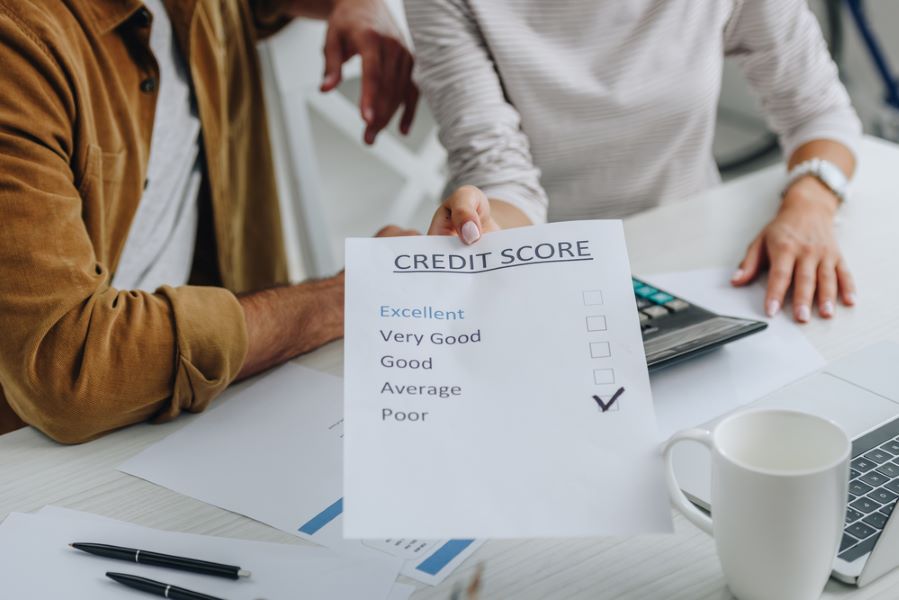
Canadian credit scores, managed by Equifax and TransUnion, range from 300-900 and reflect payment history, credit use, and inquiries. Key habits to boost scores include timely payments, low credit utilization (<30%), and using secured credit cards for newcomers. Checking your own score doesn't hurt it. Consistency and informed actions improve creditworthiness, enabling better loan terms and financial security.

Knowing more about money doesn’t ensure better decisions due to biases like present bias and emotional spending. Use automation, precommitment, and tailored Canadian tools to build smarter, lasting financial habits.

Track all side gig income, expenses, receipts, and mileage in Canada to manage CRA self-employed taxes, GST/HST thresholds, maximize deductions, and avoid surprises at tax time.

TFSA offers tax-free growth and flexible withdrawals, ideal for low-income earners or short-term goals. RRSP provides tax deductions, benefiting high earners saving for retirement. Choose based on income, tax bracket, and goals.